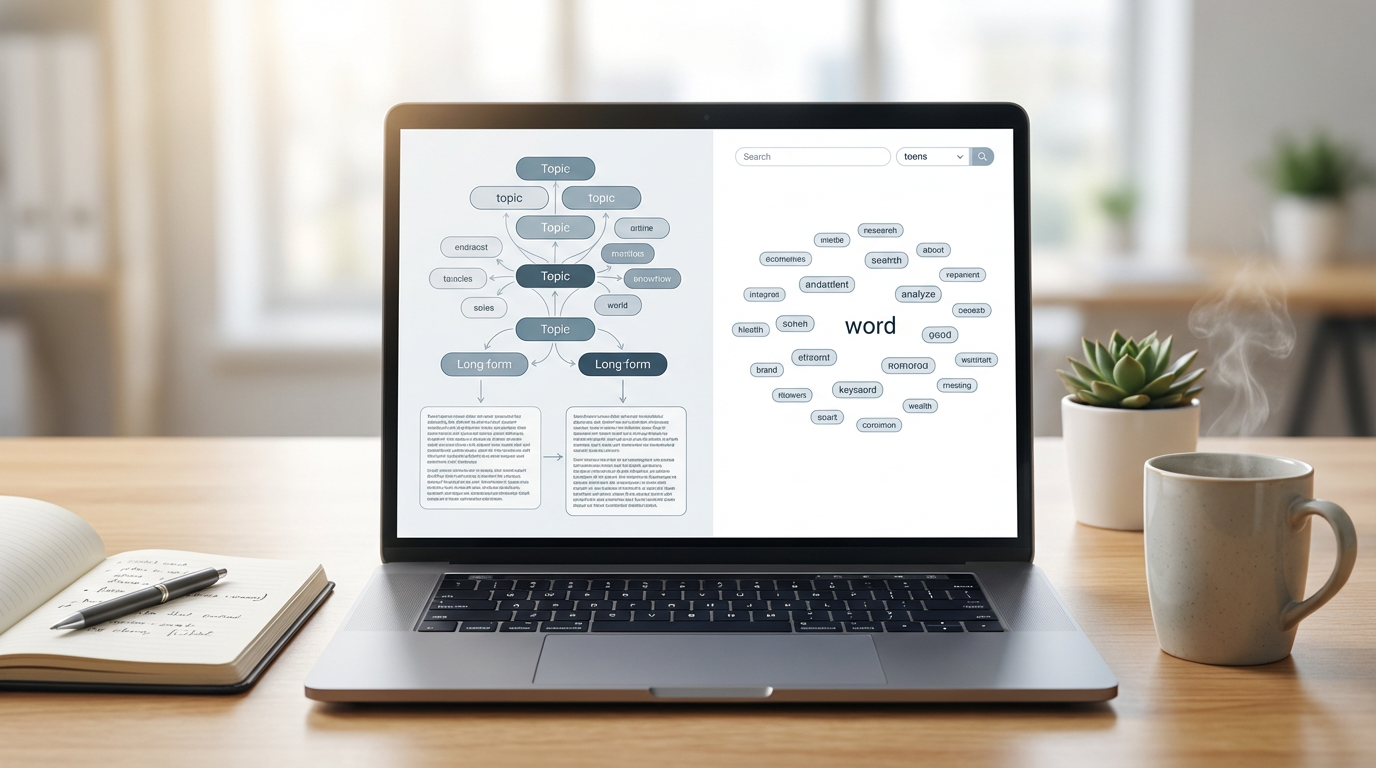
Between content depth and keywords, go with content depth—unless you're starting a brand new website with zero authority. Modern search engines reward websites that solve real problems with comprehensive answers, not those that stuff keywords into thin content. Here's why depth wins in the long run and when keywords still matter.
The shift happened gradually, then all at once. Google's algorithms evolved from simple keyword matching to understanding user intent. Now, with AI search results becoming the norm, search engines prioritize content that genuinely helps people over content that simply mentions the right words.
Why Content Depth Dominates Modern SEO
Content depth means creating resources that thoroughly address a topic from multiple angles. When someone searches for "how to choose a contractor," they don't want a 300-word listicle. They want guidance on vetting credentials, understanding quotes, spotting red flags, and managing the project timeline.
Google's E-A-T guidelines (Expertise, Authoritativeness, Trustworthiness) favor comprehensive content because it demonstrates real knowledge. A 2,000-word guide that covers contractor selection from start to finish signals expertise better than a keyword-stuffed paragraph ever could.
The data backs this up. Studies show that pages ranking in the top 10 search results average 1,800+ words. More importantly, these pages answer related questions users might have, keeping visitors engaged longer—a key ranking signal.
Content depth also future-proofs your digital marketing strategy for small businesses. When search algorithms change, comprehensive content adapts better than keyword-focused content. Your thorough guide remains valuable regardless of which specific phrases people use to find it.
When Keywords Still Matter (The Exception)
Keywords aren't dead—they're just not the primary driver anymore. They still serve three critical functions in your long-term marketing strategy vs short-term tactics.
First, keywords help you understand what your customers actually search for. Without keyword research, you might write about "residential construction services" when people search for "home builders near me." The language matters.
Second, keywords provide structure for comprehensive content. They're the framework that ensures your in-depth article covers what people want to know. Think of keywords as the outline, not the entire essay.
Third, keywords remain essential for brand new websites. If you have no authority and limited content, strategic keyword placement helps search engines understand your topic focus. Once you build authority through quality content, keyword density becomes less critical.
The Real Criteria That Matter
When choosing between depth and keywords, consider these factors that actually influence your ability to build online visibility:
User Intent Alignment: Does your content match what searchers really want? Someone searching "kitchen remodel cost" wants budget planning tools, not a sales pitch. Deep content that addresses their actual need wins every time.
Problem-Solution Fit: Comprehensive content naturally covers related problems and solutions. A detailed guide on kitchen remodeling might mention permits, timeline management, and contractor selection—topics your audience cares about but might not have searched for directly.
Authority Building: In-depth content establishes your expertise better than keyword-optimized snippets. When potential customers read your thorough analysis, they trust your knowledge enough to contact you for help.
Conversion Potential: Detailed content educates prospects, making them better qualified leads. Someone who reads your complete guide understands your process and expertise before they call.
How Modern Search Actually Works
Search engines now use natural language processing to understand context and intent. They can tell when content genuinely addresses a topic versus when it's optimized for keywords without substance.
Google's BERT and MUM algorithms analyze content meaning, not just keyword frequency. They understand synonyms, related concepts, and user intent. This means a comprehensive article about "home renovation planning" can rank for "house remodeling tips" without using that exact phrase repeatedly.
AI search results particularly favor authoritative content that demonstrates deep knowledge. When ChatGPT or Google's AI overviews cite sources, they choose comprehensive resources that thoroughly cover topics.
The Content Depth Strategy That Works
Effective content depth follows a specific pattern that generates leads online while building authority:
Start with one core problem. Choose a specific issue your customers face. Don't try to cover everything about your industry in one piece.
Address the obvious questions first. Cover what most people want to know, then dive deeper into nuances and edge cases.
Include related concerns. What other problems does solving this issue create? What happens next in the process?
Provide actionable steps. Give readers something they can do immediately, even if they don't hire you.
Reference your expertise naturally. Share relevant experience without making the content about you.
This approach works because it mirrors how people actually research solutions. They start with basic questions, then dig deeper as they understand the complexity.
Common Mistakes That Kill SEO Results
Many businesses sabotage their visibility for local businesses by focusing on the wrong metrics:
Keyword Stuffing: Forcing keywords into content where they don't belong makes it unreadable. Search engines penalize this approach, and readers bounce quickly.
Thin Content: Publishing short articles that barely scratch the surface of a topic. These pages rarely rank well and don't build authority.
Generic Advice: Writing content that could apply to any business anywhere. Specific, detailed guidance performs better than broad generalizations.
No Clear Purpose: Creating content without understanding what action you want readers to take next. Every piece should guide visitors toward becoming leads.
When to Choose Keywords Over Depth
Despite the general rule favoring content depth, specific situations call for keyword-focused content:
New Website Launch: If you're starting from zero, strategic keyword placement helps search engines understand your focus. Create 10-15 keyword-optimized pages to establish topical authority, then shift to depth.
Highly Competitive Local Terms: For phrases like "contractor near me" in major cities, keyword optimization combined with local SEO strategy becomes more important initially.
Quick Answer Content: Some searches want fast answers, not comprehensive guides. "Business hours," "service area," and "contact information" pages should be keyword-focused and concise.
Landing Page Optimization: Pages designed for specific campaigns or ads benefit from tight keyword focus to match visitor intent.
The Integration Approach
The smartest strategy combines both approaches strategically. Use keywords to structure comprehensive content that serves real user needs.
Start with keyword research to understand your audience's language and concerns. Then create detailed content that addresses those concerns thoroughly. Include keywords naturally while focusing on providing genuine value.
This balanced approach builds long-term SEO success while maintaining short-term visibility. Your keyword research informs content topics, while content depth builds the authority that makes keywords work better.
Measuring Success Beyond Rankings
Modern SEO success requires looking beyond keyword rankings to metrics that matter for business growth:
Time on Page: Comprehensive content keeps visitors engaged longer, signaling value to search engines.
Pages per Session: Quality content encourages visitors to explore more of your website.
Lead Quality: Visitors who consume detailed content become better-qualified prospects.
Brand Searches: Authoritative content increases searches for your business name.
Referral Traffic: Other websites link to comprehensive resources more than keyword-stuffed pages.
The Future of SEO Strategy
Search continues evolving toward understanding and serving user intent. AI search results will increasingly favor content that demonstrates genuine expertise and provides comprehensive answers.
Businesses that focus on creating valuable, detailed content will maintain visibility as algorithms change. Those relying primarily on keyword manipulation will struggle as search engines get better at identifying quality.
The winners will be businesses that understand their customers' real problems and create content that genuinely helps solve them. Keywords will remain important for structure and understanding, but content quality will determine long-term success.
Your Decision Framework
Choose content depth if you want sustainable, long-term growth and have the resources to create comprehensive content regularly. This approach builds authority and generates qualified leads consistently.
Choose keyword focus if you're launching a new website, competing in highly competitive local markets, or need quick visibility for specific terms. Plan to transition to depth-focused content as you build authority.
Most successful businesses use both approaches strategically, letting keyword research inform comprehensive content creation.
Frequently Asked Questions
How long should my content be for good SEO?
Length matters less than completeness. Write until you've thoroughly addressed your topic. Most comprehensive guides range from 1,500-3,000 words, but focus on covering everything your audience needs to know rather than hitting a word count.
Can I rank without using exact match keywords?
Yes. Modern search engines understand synonyms and related terms. Comprehensive content about "home renovation" can rank for "house remodeling" without using that exact phrase. Focus on covering the topic thoroughly using natural language.
How often should I mention my target keyword?
Include your main keyword naturally in the title, first paragraph, and one or two headings. Beyond that, focus on using related terms and synonyms. Keyword density should feel natural when reading aloud.
Do short articles ever outrank long ones?
Short content can rank well for simple, direct queries like "business hours" or "contact information." For complex topics requiring explanation, comprehensive content typically performs better in search results.
Should I update old keyword-focused content?
Yes. Expand thin content by adding more depth, examples, and related information. Keep existing keywords but focus on making the content more helpful and comprehensive for readers.
How do I know if my content has enough depth?
Ask yourself: Would someone who reads this feel confident taking action or understanding the topic? If they'd still need to search elsewhere for important information, add more depth.
Content depth wins the long game in modern SEO because it aligns with how search engines evaluate quality and how customers make decisions. While keywords provide necessary structure and initial visibility, comprehensive content builds the authority that drives sustainable organic growth.
Your content should solve real problems thoroughly enough that readers feel confident in your expertise. When you consistently publish detailed, helpful content, search engines and potential customers both recognize your authority.